All "Commercial Demolition" results near me in Intervale, NH - October 2026
NH Earthworks LLC
Business renovations and redevelopment projects often require careful planning before construction can begin. NH Earthworks delivers commercial demolition services that help clear spaces efficiently and... more

P & K Sand & Gravel Inc
P & K Sand & Gravel, Inc. specializes in aggregate, excavation, and demolition services. Family owned and operated since 1970, we can tackle all types of projects, including... more
All Demolition & Asbestos Services LLC
All Demolition & Asbestos Services LLC is a family owned and operated company specializing in asbestos removal and residential interior demolition services. ... more
Remove Anything the Easy Way
Get free quotes from local demolition contractors

Nearby Places for Commercial Demolition
Commercial Demolition Tips for Intervale, NH
How is commercial demolition done?
Just as there's more than one way to demolish a house, there's more than one way to demolish a commercial structure, too.
Method 1: Mechanical Demolition
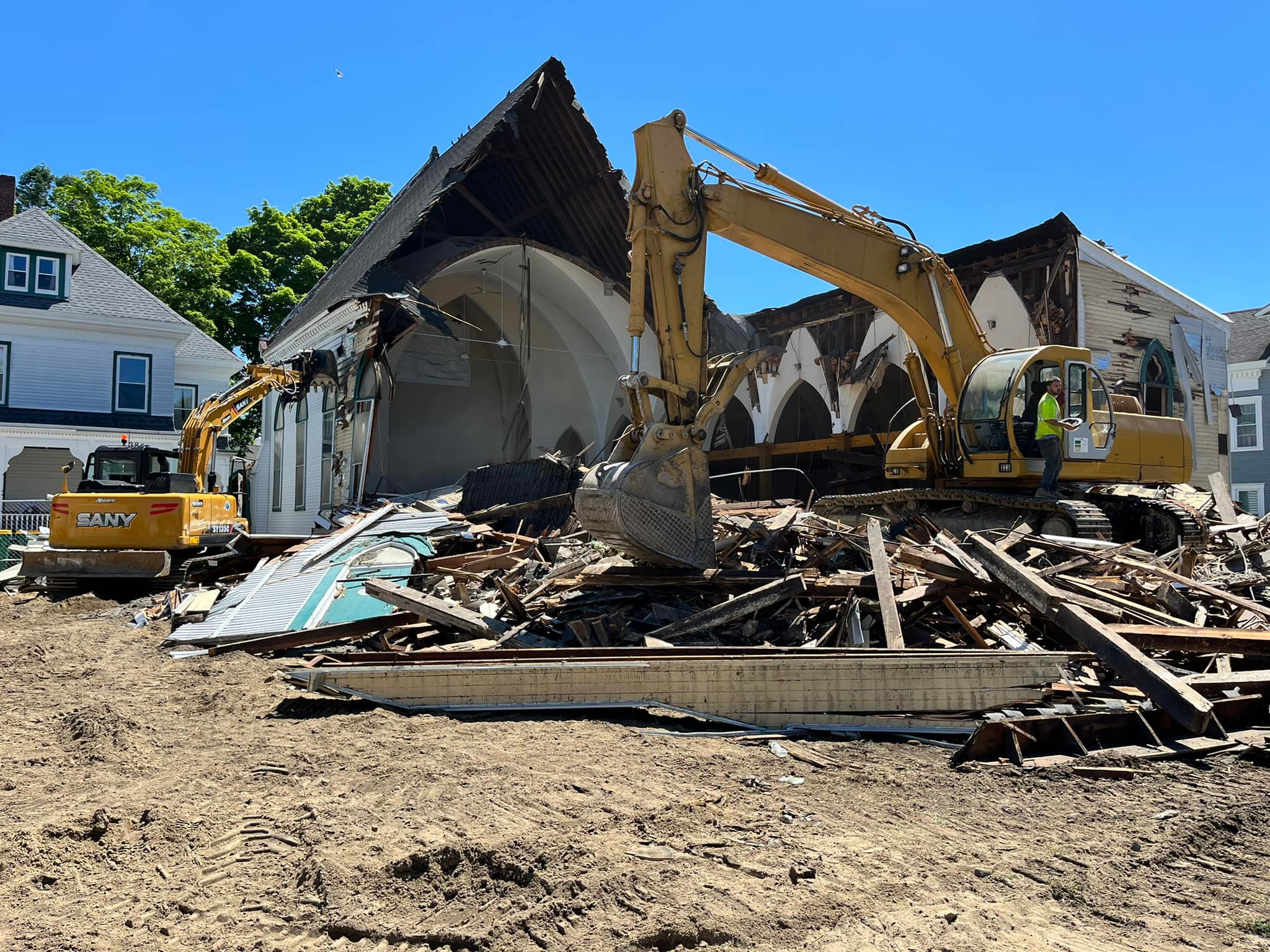
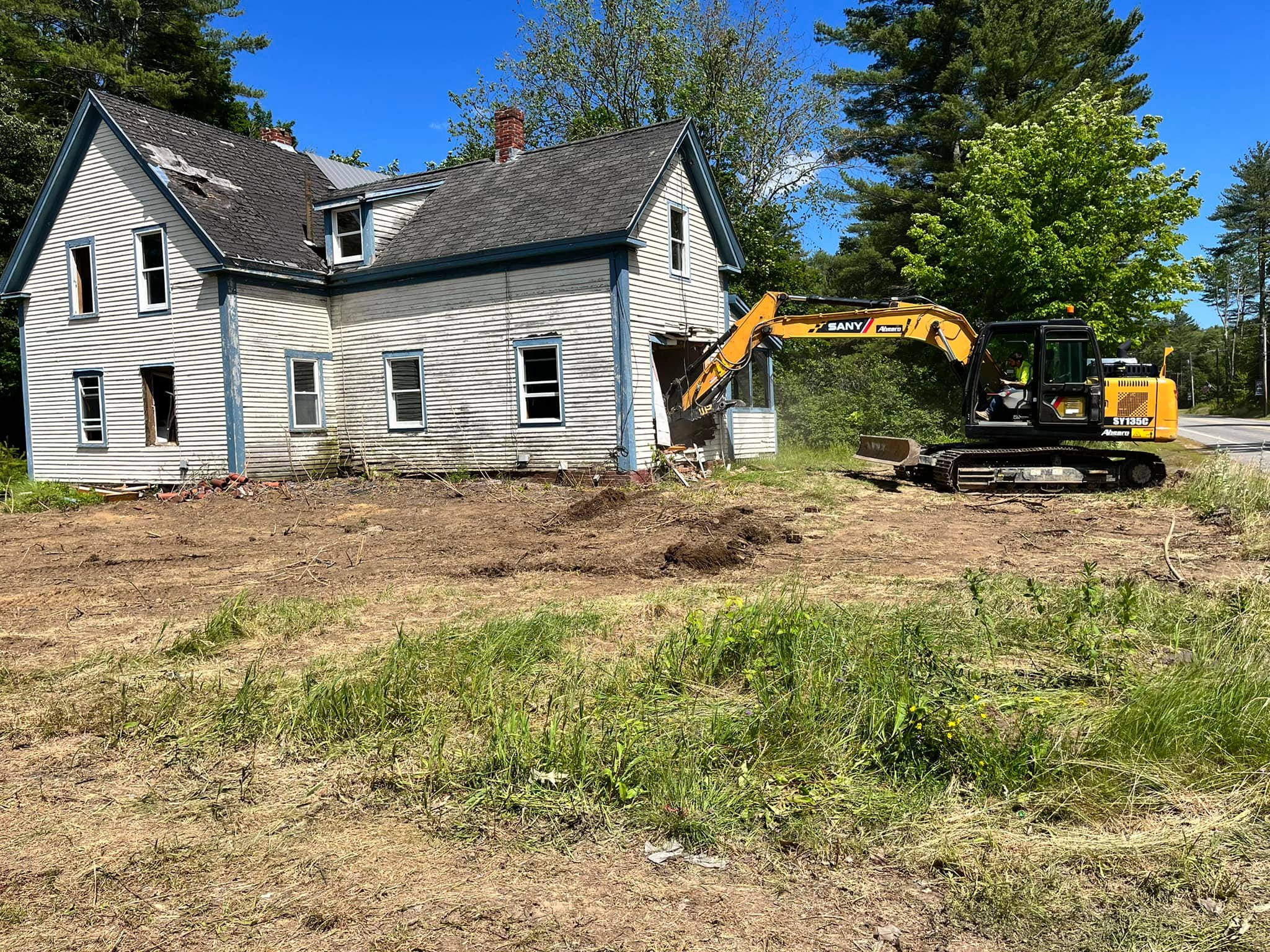
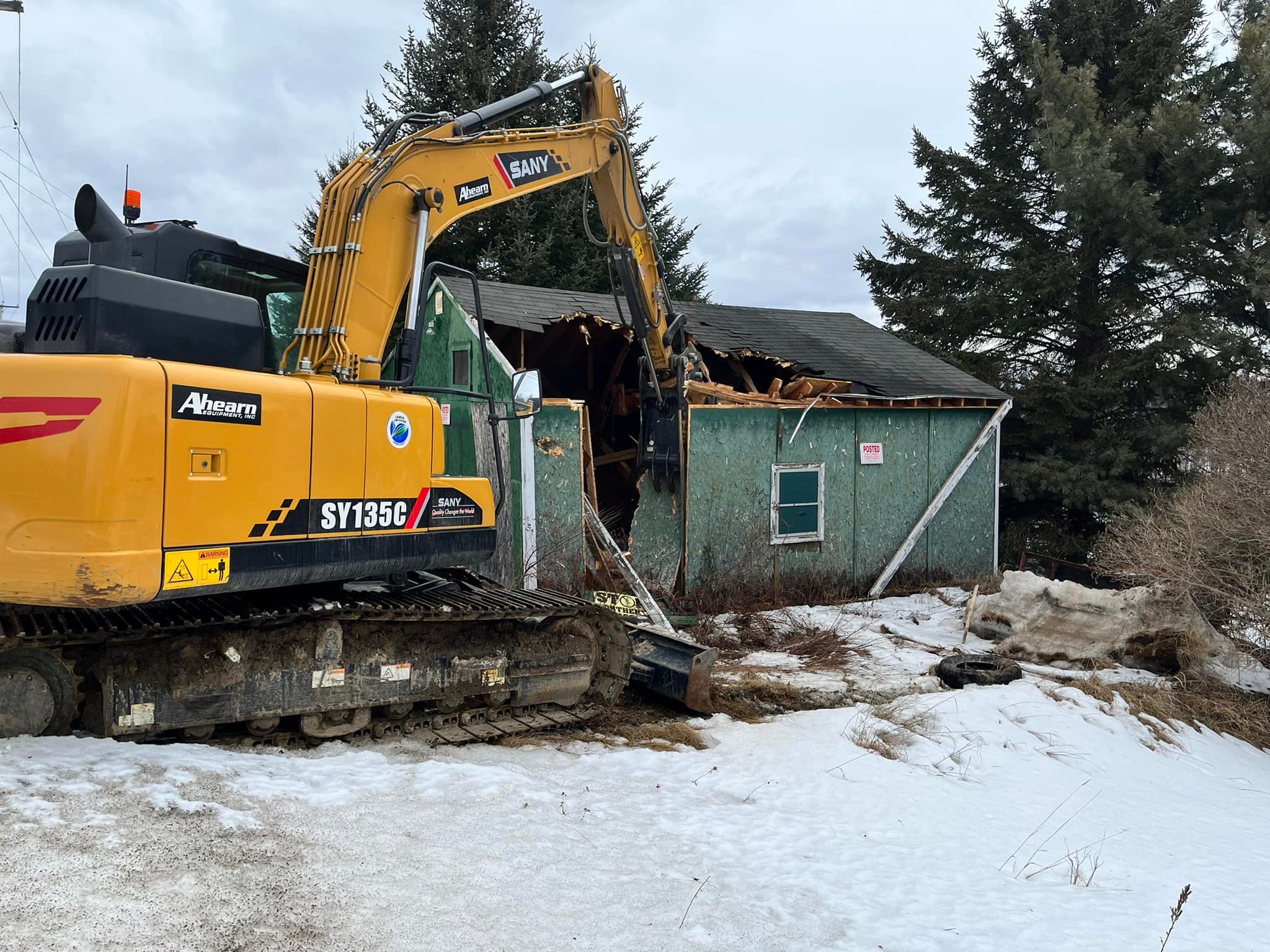
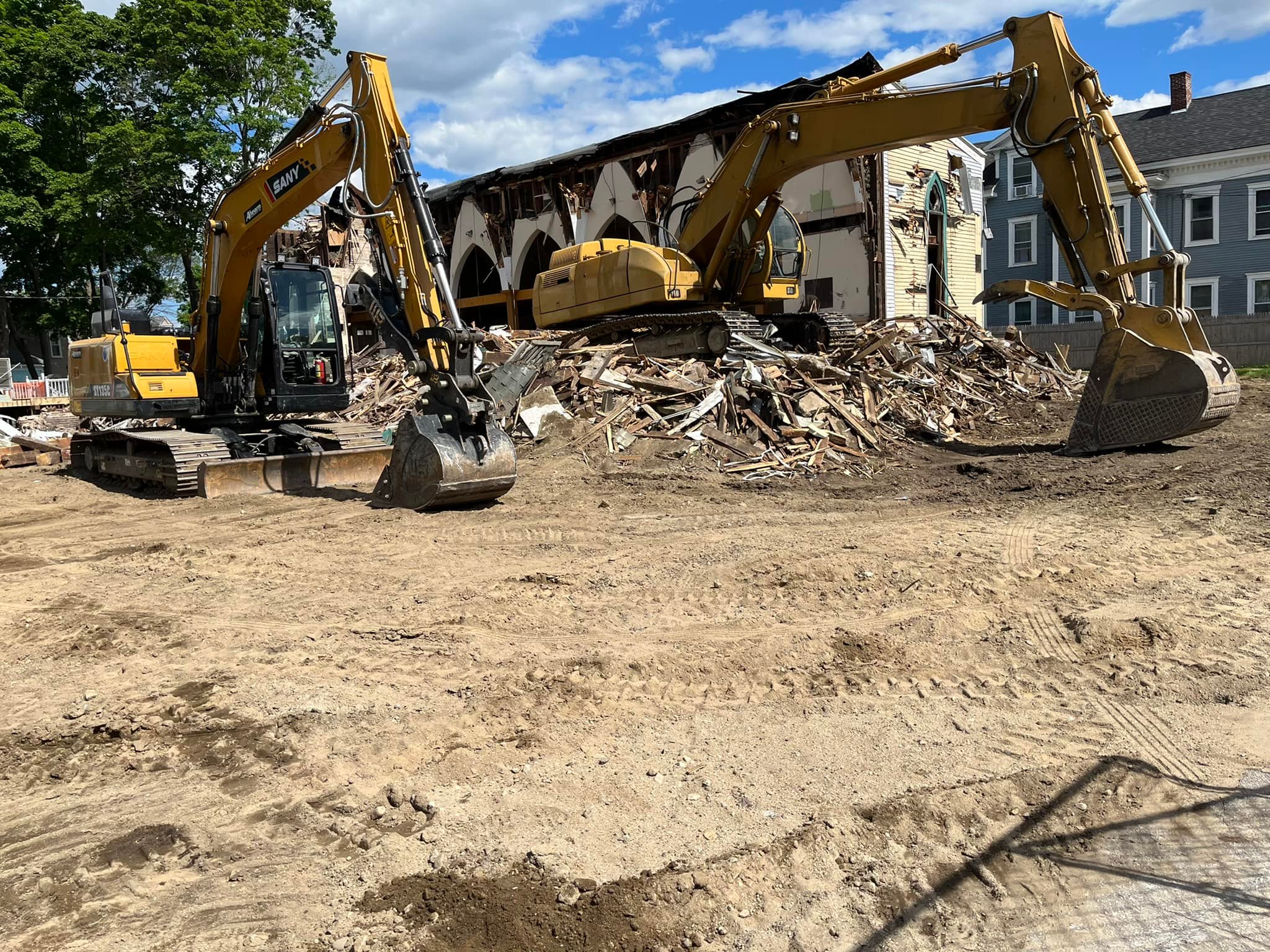
Mechanical demolition is the most common method for commercial demolition because it is generally the least expensive option and can be completed quickly. Performed using heavy machinery, like bulldozers, excavators, wrecking balls, wire rope pulls, etc., commercial demolition equipment requires highly qualified professionals and can produce some serious noise and mess. Plenty of vibrations, dust, and airborne debris are just some of the things to expect from mechanical demolition.
Method 2: Deconstruction/Dismantling
Deconstruction is the process of reverse construction and involves dismantling the structure from top-to-bottom, piece-by-piece with the intention of salvaging as much as possible. Although deconstruction is a slower-going and more expensive process than mechanical demolition, it can be rewarding. By re-using or selling salvaged materials, you can often recoup much of your investment.
Method 3: Explosion/Implosion
Explosion or implosion is the most efficient of all commercial demolition methods and, therefore, the least expensive. However, it's often only ideal when mechanical demolition and deconstruction aren't an option. This is due to the various public health concerns and risks associated with this type of demolition (i.e., air quality concerns, flying debris, environmental issues, etc.)